
Setting the scene: the temperature is 35 degrees, and a steady rain is coming down as Special Forces candidates begin their night land navigation course at Camp Mackall, just over the Hoke County line. Each candidate will be moving throughout the night from point to point with a heavy rucksack, made even heavier by the falling rain. Land navigation, long movements, and inclement weather are just some of the hallmarks of the Special Forces Assessment and Selection program that takes place at Camp Mackall. This long-standing process is fundamental to selecting candidates who have the right attributes to become Special Forces soldiers.
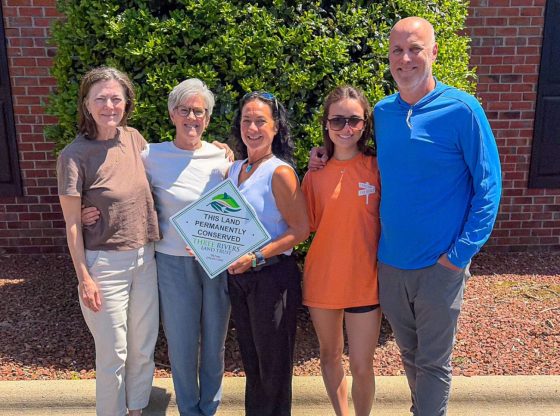
Thanks to the Troutman Family and Three Rivers Land Trust, the training that takes place on Camp Mackall will not be impacted by future residential or commercial development. Working in partnership with Fort Bragg and the Department of Defense, Three Rivers Land Trust purchased a permanent conservation easement that covers 589 acres and protects over one mile of shared border with Camp Mackall.
“This conservation easement will ensure that robust, realistic training can be done at Camp Mackall without impacting nearby neighbors,” states Barry Hull, Sandhills conservation coordinator for Three Rivers Land Trust. “The land in the conservation easement will remain undeveloped, which is great for the existing longleaf forest ecosystem and the long-term water quality of Drowning Creek. It is a big win for the Army and conservation.”
“National defense conservation is a key tenet in how we complete our mission at Three Rivers Land Trust,” states Travis Morehead, executive director. “The military and defense industry is North Carolina’s second-largest sector, with an estimated economic impact of $66 billion on the state’s economy. Ensuring that the land around Camp Mackall and Fort Bragg remains undeveloped is critical to the military’s ability to fully utilize the existing installation for training purposes.”
While the military component is a driving factor in the permanent conservation of this property, other important conservation attributes helped to make this project stand out. The Troutman tract has over 500 acres of longleaf habitat, complete with wiregrass, Bachman sparrows, and red-cockaded woodpeckers. This tract also contains 1.5 miles of stream frontage on Drowning Creek, which is Southern Pines’ primary drinking water source.
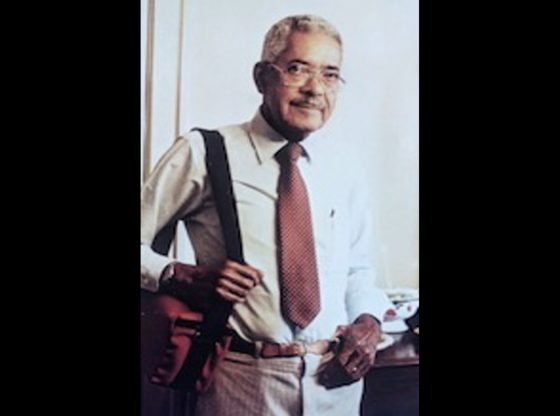
“It was an easy family decision to partner with Three Rivers Land Trust to permanently conserve the DP Troutman Longleaf Farm. This partnership allows the farm to stay intact and make a positive impact on our environment and community in perpetuity,” the Troutman Family said of the project. “DP Troutman purchased this land in 1938 and worked it all his life. In 1960, he was described in the Pilot as ‘dependable, level-headed, a Master Farmer, a fine citizen, and a good neighbor.’ It is our hope this decision honors that legacy and carries it into the future.”
TRLT describes the project as “a wonderful example of the partnership between willing landowners, Three Rivers Land Trust, and the Department of Defense. All of the partners came together with the same goal—permanent conservation—but for different reasons.”
Want Moore news that matters? Please click here to sign up for the free Sandhills Sentinel e-newsletter.
Contributed.