
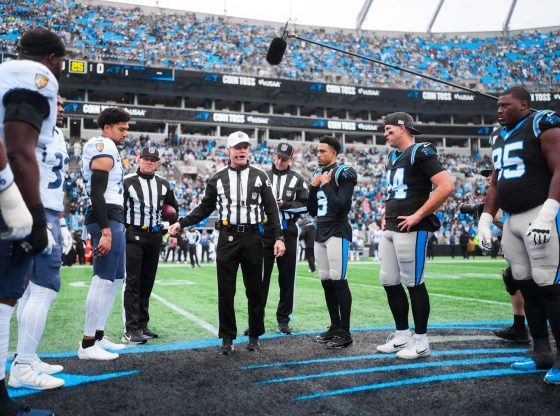
The NFC South remains a competitive division where the Carolina Panthers face familiar opponents and demanding matchups throughout the season. Playing at Bank of America Stadium, the team operates under head coach Dave Canales and offensive coordinator Brad Idzik. Carolina continues to work toward building a consistent identity through physical play, offensive balance, and defensive discipline.
Each rival presents a different challenge that requires careful preparation and adjustments from the Panthers’ coaching staff. Atlanta brings an offense built around speed and explosive plays, while New Orleans emphasizes physical football and Tampa Bay combines defensive pressure with an established offensive system. These differences test Carolina’s ability to adapt its approach from one matchup to another.
Atlanta Falcons Test Carolina’s Defensive Discipline
Games between the Carolina Panthers and Atlanta Falcons often place considerable attention on speed and offensive playmaking. Atlanta uses explosive players and vertical passing concepts to stretch opposing defenses and create opportunities downfield. These factors can also influence NFL lines and spreads, as both teams’ offensive approaches and defensive matchups shape expectations ahead of divisional games.
Defensive tackle Derrick Brown anchors the interior defensive line, disrupting running lanes and pressuring quarterbacks. Linebackers and safeties help limit yards after the catch through disciplined coverage. Controlling Atlanta’s perimeter plays and forcing longer passing situations can make it harder for the Falcons to maintain offensive rhythm.
New Orleans Saints Challenge Carolina’s Physical Approach
The New Orleans Saints present a different challenge through their emphasis on physical play and execution along the line of scrimmage. Their offense traditionally relies on heavy formations, power running, and controlled drives. These elements require Carolina to remain strong against the run while maintaining discipline in important situations.
Quarterback Bryce Young operates behind an offensive line that includes guard Robert Hunt, with the goal of keeping the offense on schedule. Establishing running back Chuba Hubbard early can help Carolina control the tempo and create opportunities for play-action passes. Maintaining offensive balance also makes it harder for New Orleans to focus entirely on stopping the passing game.
Tampa Bay Buccaneers Bring Experience and Pressure
The Tampa Bay Buccaneers have remained an important competitive presence in the NFC South in recent seasons. Their combination of defensive pressure and offensive balance creates several challenges for Carolina. Carolina needs reliable pass protection and consistent coverage to compete with Tampa Bay for all four quarters. Maintaining discipline in both areas will be important when facing an experienced divisional opponent.
Tampa Bay’s blitz packages and defensive front alignments require clear communication from Carolina’s offensive line. Protecting Young involves recognizing defensive pressure, making quick decisions, and using short passing options when needed. On defense, Carolina must generate pressure without leaving too much space for opposing receivers.
Roster Depth and Planning Support Carolina’s Progress
Competing across six divisional games requires careful roster management and dependable players at every position. Injuries and physical demands throughout the season can affect the availability of established starters, making backup players important to overall team performance. NFL Game Matchups and Prop Insights can also offer a useful reference for examining player roles and individual performances across these divisional contests.
Developing younger players alongside experienced veterans also gives the Panthers more options during important stretches of the season. As players become more familiar with Canales’ West Coast offensive scheme and Evero’s base 3-4 defensive system, communication and execution can improve. The coaching staff must also adjust its approach depending on the personnel and playing styles of upcoming opponents.
Regional Rivalries and Fan Culture Shape Carolina Football
The NFC South rivalry extends beyond the field, shaping sports coverage and fan culture across the Carolinas and the Southeast. Divisional matchups often receive increased attention from local media, particularly during weeks when regional rivals meet. These games also bring visiting supporters into opposing stadiums, creating lively atmospheres at Bank of America Stadium and other venues.
Strong performances against divisional opponents can also influence how fans follow the team’s progress. Wins against familiar rivals provide local bragging rights and give supporters more reasons to stay engaged throughout the campaign. Media coverage and fan interest often increase around matchups that carry implications for divisional standings.
Carolina’s Divisional Schedule Will Shape Its Future
The Panthers’ progress in the NFC South will depend partly on how effectively they handle Atlanta’s speed, New Orleans’ physical approach, and Tampa Bay’s experience. Each matchup requires different adjustments from the coaching staff and consistent execution from players. Small differences in turnover numbers, third-down conversions, and defensive performance can influence divisional standings.
Maintaining offensive balance, controlling the line of scrimmage, and making effective adjustments will be important throughout the season. The Panthers have several areas to develop as they continue building their system under Canales and Evero. Their six divisional matchups will provide opportunities to measure progress against familiar opponents.
If you would like to share your sponsored content with Sandhills Sentinel, please email [email protected].
Feature photos via Carolina Panthers / Sarah Boeke.