
How Does a Sensory Space Help Neurodivergent Teens Feel Calm and Safe?
For many neurodivergent teens, the world can feel relentlessly loud, bright, and overwhelming. Sensory input that others barely notice can, for these individuals, feel like a full-body assault. As a result, anxiety spikes, meltdowns occur, and the ability to learn, connect, or simply rest becomes difficult. A sensory space provides a practical, evidence-informed solution to this challenge. Designed to regulate sensory input and provide a predictable environment, these spaces give neurodivergent teens a place where they can decompress, reset, and feel genuinely safe. Understanding how and why they work is the first step toward building one.
What Is a Sensory Space and Why Do Teens Need One?
A sensory space is a dedicated area, whether a room, a corner, or even a specially outfitted closet, designed to control the sensory environment for individuals who experience sensory processing differences. Unlike a general relaxation area, a sensory space for neurodivergent teens is intentionally built around their specific neurological needs. It provides controlled lighting, curated sounds or silence, tactile options, and physical boundaries that allow the nervous system to settle.
Teens, in particular, face a unique combination of pressures. Adolescence already brings hormonal shifts, social complexity, and academic demands. For neurodivergent teens, including those with autism spectrum disorder, ADHD, sensory processing disorder, or anxiety, these pressures interact with a nervous system that processes the world differently. The result is a frequent state of dysregulation that affects mood, behavior, focus, and social connection.
Why Dedicated Sensory Spaces Matter for Teenagers
Younger children often have sensory tools built into classroom settings or therapy environments. Teenagers tend to lose access to these accommodations as they move through middle and high school. At the same time, the sensory demands of their environment multiply. Crowded hallways, fluorescent lights, constant social noise, and dense schedules all place heavy loads on an already taxed nervous system.
A dedicated sensory space at home or school gives teens somewhere to go before a situation escalates. Rather than waiting for a meltdown or shutdown to occur, a teen can access the space proactively. This shift from reactive to proactive support is one of the most meaningful benefits these spaces offer. It also builds self-awareness, because the teen learns to recognize their own signals and take action to address them.
The Science Behind Sensory Regulation in Neurodivergent Teens
Sensory regulation refers to the brain’s ability to process, filter, and respond to sensory input in a way that supports calm, focused functioning. For neurodivergent individuals, this regulatory process often works differently. The brain may be hypersensitive to certain inputs, such as sound or light, or it may seek out intense sensory experiences to feel grounded. In both cases, the nervous system struggles to find a stable middle ground without intentional support.
A sensory space for neurodivergent teens directly addresses this neurological challenge by reducing unpredictable input and providing sensory experiences that are predictable and manageable. Research in occupational therapy and neuroscience consistently shows that controlled sensory environments lower cortisol levels, reduce heart rate, and activate the parasympathetic nervous system, commonly known as the “rest and digest” state. This is the physiological foundation of calm.
How Sensory Overload Affects the Teenage Brain
The teenage brain is already in a period of significant development, particularly in areas related to emotional regulation and executive function. The prefrontal cortex, responsible for decision-making and impulse control, does not fully mature until the mid-twenties. For neurodivergent teens, this developmental reality is compounded by differences in how sensory information moves through the brain.
In a state of sensory overload, the amygdala, the brain’s threat-detection center, fires repeatedly. The body enters a stress response: heart rate increases, muscles tense, and rational thinking becomes harder to access. For a teen with autism or sensory processing disorder, a flickering light or unexpected loud sound can trigger this cascade just as effectively as a genuine physical threat. Over time, repeated episodes of overload without access to recovery can contribute to chronic stress, school avoidance, and emotional exhaustion. A sensory space interrupts this cycle by giving the brain a chance to return to baseline before the cumulative load becomes too heavy.
Key Elements That Make a Sensory Space Effective
Not every quiet room qualifies as a functional sensory space. The effectiveness of a sensory environment depends on intentional design choices that reflect the teen’s specific sensory profile. A profile that a parent, educator, or occupational therapist develops through observation or formal assessment can guide which elements to prioritize. Some teens need to reduce input while others need to increase it. A well-designed space accounts for both possibilities.
Physical enclosure matters more than most people expect. A smaller, enclosed area, such as a tent, canopy, or corner defined by curtains, provides proprioceptive and visual boundaries that help the nervous system settle. Open spaces with no defined edges tend to feel less safe for many neurodivergent teens, even if they are quiet. Beyond enclosure, the space should be consistent. Predictability is itself a form of safety, so the space should look and feel the same each time the teen enters it.
Lighting, Sound, and Tactile Tools That Promote Calm
Lighting is one of the most powerful variables in a sensory space. Fluorescent overhead lighting, common in schools and many homes, produces a flicker that many neurodivergent individuals perceive acutely, even if it is imperceptible to others. Replacing it with warm, dimmable LED lights, salt lamps, or fiber optic strands gives the brain something soft and steady to process. Color-changing options also allow the teen to select the visual input that feels most regulating on a given day.
For sound, the goal is control. Some teens need complete silence and benefit from noise-canceling headphones or sound-dampening panels. Others find white noise, nature sounds, or low-frequency music grounding and calming. The key difference from an ordinary room is that the teen controls the auditory environment rather than having it imposed from outside.
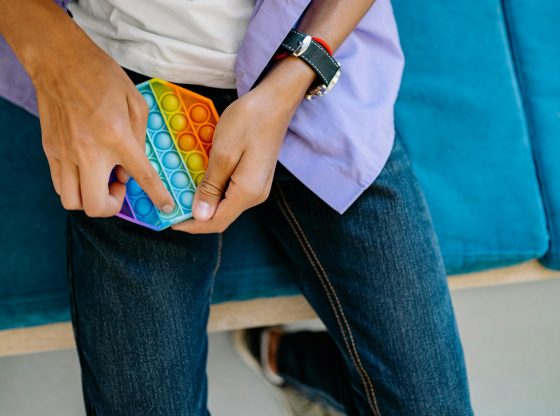
Tactile tools complete the picture. Weighted blankets and lap pads apply gentle, even pressure that activates the parasympathetic nervous system in a way similar to a firm hug. Textured items, fidget tools, and sensory bins give the hands something purposeful to do, which redirects nervous system energy and lowers arousal. Together, these three categories, light, sound, and touch, form the foundation of a space that genuinely supports the neurodivergent teen’s ability to regulate and recover.
Conclusion
A sensory space is not a luxury for neurodivergent teens. It is a practical tool grounded in neuroscience and occupational therapy research. By controlling sensory input through lighting, sound, and tactile elements, these spaces allow a dysregulated nervous system to return to a functional baseline. For teens who navigate a world that was not designed with their neurology in mind, having a predictable place to recover and reset can make a measurable difference in their daily well-being, emotional health, and capacity to thrive.
If you would like to share your sponsored content with Sandhills Sentinel, please email [email protected].
Sponsored Content