
Flowers are blooming, cars are turning yellow with pollen, and we’re switching from heating to air conditioning on the same day: clearly, it’s springtime in the Sandhills.
Warmer temperatures and longer days are bringing signs of spring across Moore County, including blooming flowers and the return of migrating birds. As residents begin preparing gardens and spending more time outdoors, wildlife experts say the season is also an important time to support pollinators, such as bees and butterflies, while keeping an eye out for birds passing through the Sandhills.
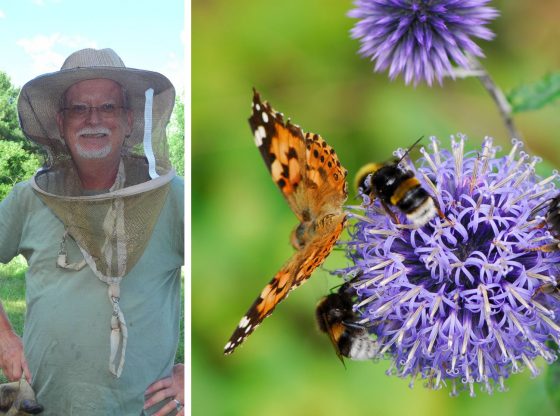
As we spend more time outdoors (despite the pollen) and begin getting gardens ready for spring, local beekeeper Donald Dees weighs in on what you can do this year to protect pollinators, keep wildlife safe, and see that your gardens are pollination-friendly.
Helping Pollinators in Your Yard
Pollinators play a critical role in ecosystems and agriculture. Bees, butterflies, moths, beetles, and even some birds help plants reproduce by transferring pollen between flowers. Without pollinators, many plants would struggle to produce fruits and seeds.
In North Carolina, bees are among the most important pollinators. The familiar honeybee is widely known, but the state is home to hundreds of native bee species, many of which are solitary and rarely sting. Carpenter bees, bumblebees, and mason bees are commonly seen in the Sandhills during spring.
Birds also serve as pollinators. The Ruby-throated Hummingbird, the only hummingbird species that regularly breeds in the eastern United States, migrates north each spring from Central America and Mexico. These birds feed on nectar and help pollinate flowers as they move between blooms.
According to Dees, small changes in yards and gardens can make a difference for these pollinators emerging from winter.
“Be careful with insecticides, fungicides, sprays, and dusts, as bees can bring that back to the hive and kill the entire colony,” cautions Dees, who manages hives across Moore County. “Don’t kill the dandelions, milkweeds, and other seemingly nuisance plants as the bees and birds benefit from their pollen and seed pods.”
Planting native flowers is one of the most effective steps residents can take. Native plants are adapted to local conditions and provide nectar and pollen for native insects. Early-blooming flowers are especially helpful in March and April when bees first become active.
Allowing some areas of the yard to remain natural can also benefit pollinators. Many native bees nest in the ground or in hollow plant stems, so leaving leaf litter or undisturbed soil can provide habitat.
More, providing a shallow water source, such as a dish with stones where insects can safely land, can help pollinators stay hydrated during warmer days.
Observing Wildlife
Spring migration is also underway across North Carolina as birds travel north to breeding grounds. Many species stop in the Sandhills to rest and feed along the way, according to the N.C. Wildlife Resources Commission.
“Bird activity is highest early in the morning or late in the afternoon when birds feed and sing,” advises the commission. “North Carolina is home to an impressive range of bird species thanks to its diverse geography. Each region supports its own bird communities, shaped by the available food, shelter, and climate.”
Residents may begin seeing flocks of Swallows returning to nest under bridges and eaves, including the Barn Swallow. These birds are agile fliers that feed on insects, helping control mosquito and fly populations.
Warblers, small colorful songbirds that migrate long distances, also pass through the region during spring. The Yellow-rumped Warbler is among the earliest migrants to appear and can often be spotted in wooded areas and parks.
Another seasonal visitor is the Chimney Swift, a fast-flying bird that spends much of its life in the air catching insects. The species nests in chimneys and large hollow trees and is typically seen in Moore County beginning in early spring.
Hummingbirds also begin arriving in North Carolina during March and April, and residents often attract them by setting out nectar feeders or planting tubular flowers such as trumpet vine and salvia.
Wildlife officials often encourage residents to observe birds and pollinators without disturbing them. Binoculars, field guides, and smartphone apps can help identify species seen in backyards or local parks.
The commission suggests the following tips for proper “birding” etiquette:
• Stay on designated trails to avoid damaging vegetation.
• Keep voices low and movements slow to prevent startling birds.
• Avoid using recordings or calls excessively, as these can disturb breeding birds.
• Never approach nests or young birds.
• Share rare bird sightings thoughtfully to prevent overcrowding or habitat disruption.
Moore County’s mix of pine forests, lakes, and open fields provides habitat for a variety of wildlife, making spring one of the best times of year for outdoor observation.
Photo of Donald Dees by Abegail Murphy/Sandhills Sentinel. Stock image via Canva.
Abegail Murphy | Assistant Editor
Written by Sandhills Sentinel assistant editor Abegail Murphy. Abegail has been writing for Sandhills Sentinel since 2021.
Want Moore news that matters? Please click here to sign up for the free Sandhills Sentinel e-newsletter.
Follow Sandhills Sentinel: Facebook | X | Instagram | YouTube | TikTok | Threads | Newsletter