
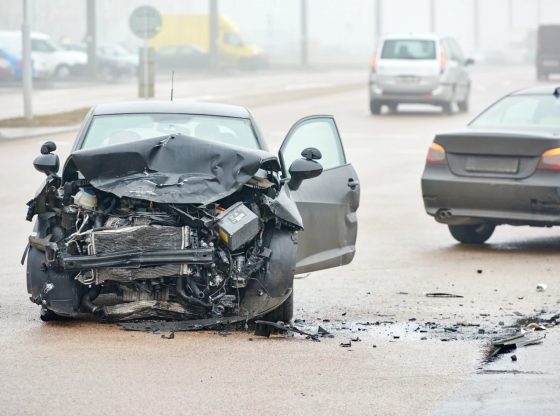
A driver who blacks out behind the wheel on Cherry Road never touches the brake, and the driver in the next lane pays for a crash neither chose. Federal researchers tie about 1.3 percent of crash drivers to a medical emergency, and 84 percent involved seizures, blackouts, or diabetic reactions.
Fault turns on the stricken driver’s medical history, not the damage pattern. South Carolina law excuses a driver who loses consciousness from an unforeseeable cause, and the driver claiming the excuse carries the burden of proof. Prior episodes, a doctor’s warning, or symptoms before the crash can defeat the claim.
Warning Signs Decide the Excuse
One earlier South Carolina case shows the losing side of the argument. The driver there had lived with diabetes for thirty years, missed a meal, and appeared ill shortly before driving. The jury rejected the defense, and the appeals court upheld that verdict.
Prior blackouts, a seizure history, a doctor’s instruction to stay off the road, skipped medication doses, and symptoms like dizziness or fading vision before the crash all point one way. Federal medical references list low blood sugar, heart problems, and medicines among the causes of fainting, and each leaves a trail in prescriptions and prior visits. Each fact tells the jury the event was foreseeable, a risk the driver chose to carry.
Why Insurers Test Both Stories First
Insurance adjusters test both accounts before paying anything. The stricken driver’s carrier looks for proof the event was foreseeable, and the injured driver’s statements get measured against the medical file. Small inconsistencies become reasons to discount the claim. Phone records draw special attention after any crash on Dave Lyle Boulevard or near Winthrop University, where dense traffic makes rear-end impacts common.
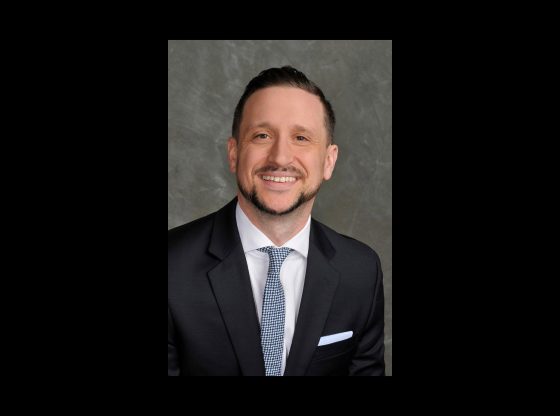
An adjuster who finds a call or text near the crash time can use it to argue distraction, even when the other driver never braked. Brent Stewart, a Rock Hill personal injury lawyer named a 2027 South Carolina Super Lawyer, handles injury claims at Stewart Law Offices, warns that a request to inspect a phone usually hunts for a distraction an insurer can blame: “If the insurance company says they want to inspect your phone, what they are really doing is trying to see whether or not you were texting or on the phone at the time of the accident. That means they’re looking for a way to avoid liability.”
A Blackout is Not Automatic Fault
Negligence, in plain terms, means careless conduct that harms someone, and a crash claim starts with what the driver did wrong. A blackout claim changes that question. South Carolina’s Supreme Court has held since 1963 that a driver stricken by a fainting spell, or losing consciousness from an unforeseen cause, is not ordinarily chargeable with negligence.
The driver claiming the excuse must prove the incapacity, and in a 2008 South Carolina Court of Appeals decision, Collins v. Frasier, the driver’s account reached the jury because medical evidence backed it up, not the driver’s word alone.
A Rock Hill driver sorting through a blackout claim faces medical releases, insurer letters, and a fault argument built on records. For help weighing that proof, individuals in Rock Hill can contact Stewart Law Offices at (803) 328-5600 or visit 1242 Ebenezer Road, SC 29732. Recognizing that crash injuries can make travel painful, their attorneys can travel to meet clients at home, in the hospital, or at a rehabilitation facility.
The Proof Fight Runs Through Records
The crash report rarely settles fault. The fight runs through the stricken driver’s medical records, which show what the driver knew, what doctors warned, and when symptoms began.
Treating Doctor Records
Treating doctors carry heavy weight. In the Collins case, the driver’s family doctor testified the driver showed no signs of fainting before the crash, and post-crash testing pointed to low blood sugar as the likely cause. That testimony turned guesswork into evidence a jury could weigh.
Timeline and Witnesses
Ambulance and hospital records from Piedmont Medical Center fix the timeline with symptoms and treatment times, and witnesses who saw the vehicle drift without braking on Interstate 77 or Cherry Road add the outside view.
The Injured Driver Needs a Doctor the Same Day
The injured driver’s own medical record matters almost as much as the stricken driver’s. Treatment at Piedmont Medical Center on the day of the crash ties injuries to the impact while memories and symptoms stay fresh. A gap of days or weeks hands the insurer an argument that something else caused the harm.
Same-day care also protects the timeline. Emergency notes record pain levels, visible injuries, and the driver’s account of the collision before stories harden. Follow-up visits show whether symptoms grew, eased, or changed, and that progression shapes the claim’s value.
Scene Photos Preserve What Memory Loses
The scene answers questions that medical records cannot. Photographs of vehicle positions, skid marks, and debris show whether the stricken car braked, drifted, or crossed the center line without correction. A vehicle that rolled straight through a Cherry Road intersection leaves a different record than one that slowed before impact.
Dash camera footage, passengers, nearby drivers, and business cameras along the corridor can hold that proof. Names and contact details gathered early keep those witnesses reachable when the insurer starts asking questions months later.
Fault Percentages and the Filing Clock
When the excuse fails, fault returns to percentages. South Carolina assigns each side a share of fault, and a claimant whose share exceeds the defendant’s share recovers nothing. A smaller share reduces the payment by that percentage, so a partial distraction finding carries a real price.
Coverage can matter as much as fault. The stricken driver in the Collins case carried no insurance, and the injured driver’s own uninsured motorist carrier defended the claim through trial. A Rock Hill injury claim runs on a three-year filing deadline in the York County Court of Common Pleas.
First Moves After a Blackout Crash
Early steps protect every version of the claim. The crash report, the stricken driver’s identity and insurer, and the names of witnesses should all be in one file from the first week. Request dash camera footage and nearby business video before recordings are erased.
Medical care comes first, and each visit adds records that either support the claim or leave gaps an insurer can exploit. Bills, discharge papers, and work absence notes complete the file, and the file, more than the wreckage, decides how fault gets argued.
Sponsored Content.
If you would like to share your sponsored content with Sandhills Sentinel, please email [email protected].
Photo via Canva Stock Gallery.