
After a years-long battle initially led by the Stayskal family in Pinehurst, U.S. Representatives Richard Hudson and Darrell Issa reintroduced legislation Thursday that would allow service members to sue the federal government for medical malpractice in federal court.
The renewed push is partly inspired by Specialist (ret.) Dez Del Barba and Pinehurst resident and former Green Beret Richard Stayskal, whose reported misdiagnoses exposed long-standing barriers to accountability within the military health care system.
The Healthcare Equality and Rights for Our Heroes (HERO) Act seeks to close a loophole that prevents active-duty personnel from seeking the same legal remedies available to civilians. The bill builds upon the 2020 SFC Richard Stayskal Military Medical Accountability Act, which first allowed service members to file malpractice claims.
However, since that law’s implementation, the Department of Defense’s internal claims process has faced criticism for an alleged lack of transparency and a high rate of denials.
“The law that gave hope to my friend Rich Stayskal and so many military families has been tied up and watered down by bureaucracy,” Hudson said. “If preventable medical harm at a military hospital costs a servicemember their health or their life, they should have the same right as any other American to take their case to court. The HERO Act makes that clear in federal law so our heroes and their families can finally seek full and fair compensation.”
For over 70 years, the Feres Doctrine, a 1950 Supreme Court precedent, has barred active-duty service members from suing the government for injuries sustained “incidental to service.” While intended to prevent lawsuits stemming from combat or training exercises, the doctrine has been applied broadly to include medical malpractice occurring at domestic military hospitals.
The push for reform began with SFC Richard Stayskal, a Green Beret and Purple Heart recipient. In 2017, while stationed at Fort Bragg, Stayskal was cleared for dive school by military doctors who reportedly misdiagnosed a mass on his lung as pneumonia. By the time he was permitted to see a civilian specialist six months later, he was diagnosed with Stage 4 lung cancer.
Because of the Feres Doctrine, Stayskal was legally barred from suing the military professionals responsible for the misdiagnosis.
“The HERO Act is about more than opening an avenue to the courts: it’s about recognizing that service members who are victimized by medical malpractice in a DOD facility are deserving of the opportunities to pursue the kind of justice that is currently denied to them,” said Issa. “Congress has previously worked to correct this obvious wrong within our system, but it isn’t fixed yet. This time, we’re going to set this right.”
While the 2020 Stayskal Act established an administrative process for claims, the HERO Act would move these cases into the U.S. District Court system.
The HERO Act:
• Repeals the current internal DoW malpractice claims system and adjusts claims by service members and their families to be brought to the District Court. Ensures those claims can proceed, whether the malpractice occurred in the United States or at a covered facility overseas.
• Protects VA and Servicemembers’ Group Life Insurance (SGLI) benefits.
• Establishes a clear statute of limitations by allowing claims to be brought up to 10 years after the injury.
• Requires regular reporting to Congress on the number of claims filed under the HERO Act, providing transparency and oversight of the new system.
The bill excludes “battalion aid stations” or medical facilities located in active combat zones, maintaining the original intent of protecting the government from liability for battlefield decisions. Instead, it focuses on routine care provided at established military treatment facilities.
The bill now moves to the House Judiciary Committee for further consideration. Hudson and Issa say they will continue working with military families and advocates to advance the HERO Act through Congress and ensure America keeps its promise to those who serve.
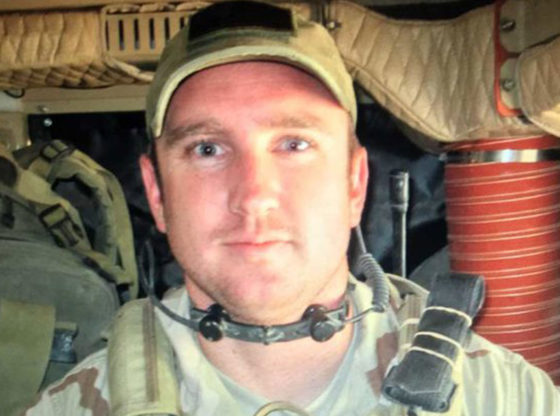
Contributed photo of Richard Stayskal.
Abegail Murphy | Assistant Editor
Article by Sandhills Sentinel Assistant Editor Abegail Murphy. Abegail has been writing for Sandhills Sentinel since 2021. Want Moore news that matters? Please click here to sign up for the free Sandhills Sentinel e-newsletter.
Follow Sandhills Sentinel: Facebook | X | Instagram | YouTube | TikTok | Threads | Newsletter